 THB
THB



Black Seed Oil: Health Benefits, Skin Care Uses & Hair Care Secrets
Discover the Ancient Oil for Modern Wellness
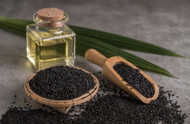
Black seed oil has been used for centuries as a traditional wellness and beauty ingredient. Extracted from tiny black seeds, this naturally occurring oil contains essential fatty acids, antioxidants and other plant compounds that have attracted interest for their potential health and beauty benefits.
Today, black seed oil is widely used as part of wellness routines, skincare and haircare. From nourishing the skin and scalp to supporting overall wellbeing, this versatile natural oil has become a popular choice for those looking to incorporate more plant-based ingredients into their daily routine.
A Pure Black Seed Oil to Try
If you’re looking to add black seed oil to your wellness or beauty routine, the Ayumi Hesh Health Care 100% Pure Virgin Black Seed Oil is one option to consider. The product is made with pure virgin black seed oil and is described as being naturally rich in thymoquinone, omega-3 and essential fatty acids. It can be used as a dietary supplement or incorporated into skincare and haircare routines.
In this guide, we’ll explore the potential benefits of black seed oil, how it can be used for skin and hair, and some simple ways to incorporate it into your everyday routine.
A Look at the History of Black Seed Oil
Black seed oil has a long history of traditional use across the Middle East, North Africa and parts of Asia. The seeds have been valued for generations and traditionally used in food, herbal preparations and personal care.
In traditional Middle Eastern and Islamic cultures, black seed has been known as “the blessed seed” and has held an important place in traditional wellness practices.
Historical accounts also describe the use of black seeds in traditional Greek and Egyptian practices. While these traditional uses are interesting, modern research is still investigating which potential benefits of black seed oil are supported by strong clinical evidence.
What Makes Black Seed Oil Special?
Black seed oil contains naturally occurring compounds including essential fatty acids and antioxidants. One of its most studied compounds is thymoquinone.
These components are thought to contribute to the oil’s antioxidant and anti-inflammatory properties. However, the exact composition can vary depending on factors such as the quality of the seeds, sourcing, extraction method and processing.
Potential Health Benefits of Black Seed Oil
1. Supports Antioxidant Protection
Black seed oil contains antioxidant compounds that may help protect cells from oxidative stress caused by free radicals. Antioxidants are an important part of maintaining overall health and supporting the body’s natural defence systems.
2. May Support Healthy Inflammation Levels
Black seed oil has been studied for its potential anti-inflammatory properties. Research into compounds such as thymoquinone suggests that they may influence inflammatory pathways in the body.
While these findings are promising, black seed oil should not be considered a replacement for medical treatment.
3. May Support Heart and Metabolic Health
Some research has explored the potential effects of black seed oil on cholesterol, blood pressure and blood sugar levels. Early findings are interesting, but more high-quality human research is needed before firm conclusions can be made.
4. Supports Overall Wellness
Because black seed oil contains antioxidant and other bioactive compounds, it may complement a balanced lifestyle that includes nutritious food, regular exercise, adequate sleep and good hydration.
It is best viewed as a wellness ingredient rather than a cure or treatment for specific diseases.
Black Seed Oil for Skin
Black seed oil has also become increasingly popular in natural skincare.
Helps Nourish Dry Skin
The fatty acids found in black seed oil can help moisturise and soften the skin. When used appropriately, it may help support the skin’s moisture barrier and leave the skin feeling smoother and more supple.
May Help Soothe Skin
The antioxidant and anti-inflammatory properties of black seed oil have made it an interesting ingredient for people looking for plant-based skincare options.
For acne-prone skin, black seed oil has also been studied for its potential antimicrobial properties. However, individual skin types can react differently to oils, so patch testing is recommended before applying it more widely.
Supports Healthy-Looking Skin
Antioxidants can help protect the skin from environmental oxidative stress. As part of a broader skincare routine, black seed oil may help maintain a nourished and healthy-looking complexion.
Black Seed Oil for Hair: Benefits and Uses
Black seed oil isn’t just for skincare. It can also be incorporated into a haircare routine.
Helps Nourish the Scalp
A healthy scalp is an important foundation for healthy-looking hair. Massaging a small amount of black seed oil into the scalp can provide moisture and conditioning while helping reduce the feeling of dryness.
Helps Condition Dry Hair
Black seed oil can be used as a conditioning treatment for dry or rough hair. Its fatty acids can help coat the hair strands, leaving them feeling softer and smoother.
Adds Shine and Helps Control Frizz
A small amount of oil applied to the lengths and ends of the hair can help improve the appearance of shine and tame frizz.
What About Hair Growth?
Black seed oil is often promoted as a natural hair-growth ingredient. While there is some preliminary research into its potential role in hair health, there isn’t enough strong evidence to say that black seed oil directly causes hair growth.
Nevertheless, keeping the scalp moisturised and hair conditioned can contribute to a healthier-looking hair routine.
How to Use Black Seed Oil
There are several ways to incorporate black seed oil into your wellness and beauty routine.
For Hair
Use black seed oil as a pre-shampoo treatment:
- Apply a small amount to the scalp and hair.
- Gently massage the scalp.
- Leave it on for around 20–30 minutes.
- Wash thoroughly with a gentle shampoo.
You can also apply a tiny amount to dry hair ends to help improve softness and shine.
For Skin
Apply a small amount to clean skin and gently massage it in. If you’re using black seed oil for the first time, perform a patch test first.
For Dietary Use
Some black seed oils are sold as food supplements. If you choose to consume black seed oil, follow the manufacturer’s recommended serving rather than assuming that more is better.
For example, the Hesh Health Care Black Seed Oil product recommends using 1 teaspoon (5–10ml) daily and suggests mixing it with honey, smoothies, yoghurt, salads or cooked vegetables. The product also recommends avoiding high-heat cooking.
If you take medication or have an existing health condition, speak with a healthcare professional before using black seed oil internally.
Why Black Seed Oil Is Worth Exploring
Whether you’re interested in natural skincare, healthier-looking hair or adding plant-based ingredients to your wellness routine, black seed oil offers a simple and versatile option.
Final Thoughts
Black seed oil is a versatile natural ingredient with a long history of traditional use. Its combination of fatty acids, antioxidants and plant compounds makes it an interesting addition to modern wellness, skincare and haircare routines.
From nourishing dry skin and conditioning hair to providing antioxidant compounds, there are plenty of reasons why black seed oil continues to attract attention.
However, it’s important to distinguish traditional uses and promising early research from proven medical benefits. Black seed oil should complement—not replace—a balanced diet, healthy lifestyle or appropriate medical care.
Used responsibly, the Ayumi Hesh Health Care 100% Pure Virgin Black Seed Oil can be a simple addition to your natural beauty and wellness routine
